Source Automatic Single Screw Microduct Production Line for FTTH, TWD, and Di Applications
Compare 17 automatic single screw microduct production lines from verified Chinese manufacturers. Buyers can evaluate line speeds, bundle configurations, and engineering services for microduct manufacturing needs.
Key considerations
Products List




Comprehensive Sourcing Guide
Strategic Sourcing Guide for Automatic Single Screw Microduct Production Lines
The global demand for fiber optic infrastructure has accelerated the need for high-efficiency manufacturing equipment capable of producing microduct bundles for fiber-to-the-home (FTTH) applications. For procurement professionals, the automatic single screw microduct production line represents a critical capital investment. This guide synthesizes available market data to provide a disciplined framework for evaluating suppliers, verifying technical specifications, and managing the procurement lifecycle. The focus remains strictly on observable attributes and verified industry standards to ensure that sourcing decisions are grounded in factual evidence rather than speculative claims.
Technical Architecture and Operational Specifications
Understanding the mechanical and electrical architecture of the production line is the first step in any rigorous evaluation. The core of these systems typically relies on a single-screw extrusion mechanism designed for high precision. Based on observed market data, the line speed for these units varies significantly depending on the specific configuration and target output. Buyers should anticipate observing line speeds ranging from 20 meters per minute to 35 meters per minute for standard configurations, while more advanced or specialized setups may offer speeds of 60, 80, or even 120 meters per minute. This variance necessitates a clear definition of production volume requirements before engaging with suppliers.
The control system is equally critical for maintaining consistency and minimizing downtime. The industry standard for high-end automation involves the integration of Programmable Logic Controllers (PLC) from major manufacturers. In verified listings, Siemens PLCs are frequently cited as the central control unit, ensuring robust logic handling and data processing. Complementing the PLC, the inverter systems often utilize ABB brand components, which are renowned for their reliability in managing motor speeds and torque. The electrical distribution panels typically feature components from established brands such as Schneider Electric. This combination of top-tier components suggests a design philosophy prioritizing stability and ease of maintenance.
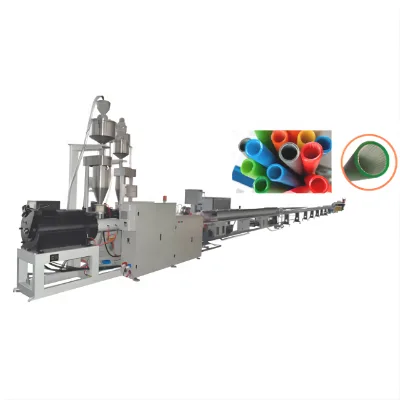
The extrusion process itself is tailored to specific microduct geometries. The machinery is capable of producing bundles with varying numbers of ways, including 4, 7, 12, 19, and 24 ways. The physical dimensions of the pipes are another key specification, with observed ranges covering diameters such as 7mm/3.5mm up to 14mm/10mm. The production scope for the machinery generally accommodates pipe diameters between 5mm and 20mm. The output bundles can be configured for various types, including Twd, Di, dB, Flat, and FTTH applications. The coiler type is typically a drum winder, which facilitates the efficient winding of the finished microduct bundles.
Compliance, Certification, and Regulatory Standards
In the B2B machinery sector, compliance is not merely a formality but a prerequisite for international trade and operational safety. When sourcing an automatic single screw microduct production line, buyers must verify that the equipment meets international safety and quality standards. The most commonly observed certifications for these machines include CE marking, which indicates conformity with health, safety, and environmental protection standards for products sold within the European Economic Area. Additionally, ISO 9001 certification is frequently cited, serving as evidence that the manufacturer maintains a quality management system that meets international benchmarks.
It is important to note that while specific certifications like CE and ISO 9001 are present in the market data, the specific scope of these certifications for each individual machine model must be confirmed directly with the supplier. Some listings also mention ISO certification in a general context, but the exact standard number should be validated. Furthermore, the machinery test report is a critical document that should be provided by the supplier. This report offers empirical evidence of the machine's performance under test conditions, covering parameters such as speed consistency, dimensional accuracy, and electrical safety. Buyers should insist on reviewing these reports to ensure the machine's capabilities align with the stated specifications before finalizing a purchase.
Cost Drivers and Pricing Structures
The pricing for automatic single screw microduct production lines is influenced by a complex matrix of factors, including automation levels, component brands, and production capacity. Market observations indicate a wide price range, with listed values spanning from $8,000 to $300,000 USD. This broad spectrum reflects the diversity of configurations available, from basic single-screw setups to fully automated, intelligent manufacturing lines with advanced PLC integration.
Several specific attributes drive these costs. The inclusion of high-end brand components, such as ABB inverters and Siemens PLCs, typically increases the base price compared to generic alternatives. The level of customization is another significant cost driver; while many machines are available in standard configurations, the ability to customize the line for specific bundle types (e.g., 19-way or 24-way bundles) or unique pipe diameters often incurs additional engineering and manufacturing costs. The production scope, particularly the ability to handle a wide range of diameters from 5mm to 20mm, also impacts the final price.
Buyers should be aware that the "Customized" attribute is prevalent in this sector. This means that the final price is often a negotiated figure based on the specific requirements of the buyer, such as the desired line speed, the number of bundle ways, and the specific application (e.g., FTTH vs. general wire assembly). The observed price range suggests that entry-level models are available for smaller operations, while high-throughput lines for large-scale FTTH production command premium pricing.
Typical Applications and Production Scope
The versatility of the automatic single screw microduct production line is one of its primary advantages. These machines are designed to produce microduct bundles essential for modern telecommunications infrastructure. The primary application is in the assembly of microducts for Fiber-to-the-Home (FTTH) networks, where multiple small-diameter ducts are bundled together to protect fiber optic cables during installation. The machinery supports the production of various bundle configurations, including 4, 7, 12, 19, and 24 ways, allowing manufacturers to cater to diverse network density requirements.
Beyond FTTH, the production scope extends to other applications involving wire and filament processing. The machinery is capable of handling materials such as aluminum and alloys, indicating a potential for broader use in cable and wire manufacturing sectors. The specific model identifiers, such as KDEQ-01-348 or KDEQ-E-MIC-018, often correspond to specific production capabilities or bundle configurations. The "Rhythm" of the production line is described as a flow production line, which implies a continuous, efficient manufacturing process designed to minimize bottlenecks and maximize throughput.
The application of these lines is not limited to just extrusion; some configurations are also suitable for assembly and riveting tasks, particularly in the context of busway systems. This dual capability highlights the adaptability of the technology. The "Flexible Production" attribute, often linked to intelligent manufacturing concepts, suggests that these lines can be reconfigured or adjusted to handle different product types with minimal downtime, making them suitable for manufacturers who need to switch between different microduct specifications frequently.
Supplier Evaluation and Service Capabilities
Selecting the right supplier is as critical as selecting the right machine. In the global market, the place of origin for these production lines is predominantly China, with specific manufacturing hubs noted in locations such as Weifang and Anhui. While the geographic origin provides context for logistics, the supplier's service capabilities are the true differentiator. A key feature observed in the market is the availability of engineer services for overseas installation and commissioning. This "Engineer Available for Overseas Service" attribute is vital for buyers who may lack the in-house technical expertise to set up and calibrate complex extrusion lines.
The warranty period is another crucial factor in supplier evaluation. Standard warranty terms observed in the market often include a 1-year coverage period. However, buyers should verify the specific terms of the warranty, including what components are covered and the response time for service calls. The availability of video technical support is also a common after-sales service provision, offering a cost-effective method for troubleshooting operational issues without the need for immediate physical intervention.
When evaluating suppliers, buyers should look for evidence of "Intelligent Manufacturing" and "Flexible Production" capabilities. These terms suggest that the supplier is not just a manufacturer of static equipment but a partner capable of providing solutions that adapt to changing market demands. The "Customization" and "Customized" attributes indicate that suppliers are willing to tailor the machinery to specific client needs, which is essential for specialized production requirements.
Quality Control and Long-Term Procurement Considerations
Ensuring the long-term reliability of the production line requires a robust quality control strategy. The "Condition" of the machines is typically listed as "New," but buyers must verify the manufacturing date and the condition of the components. The "Automatic" nature of the line reduces human error, but it also increases the reliance on the quality of the electronic and mechanical components. The presence of core components like bearings and motors, along with the provision of machinery test reports, serves as a baseline for quality assurance.
Logistics and packaging are significant considerations for international procurement. The standard packing for these lines often involves plywood cases or 1x40 FT containers, depending on the size and complexity of the equipment. Sea transportation is the primary mode of delivery, and buyers should factor in the lead times associated with this method. Observed delivery times range from 60 to 90 days, which is a critical factor in production planning. The "Standard" packing specifications, such as 2pcs/4pcs/7pcs/12pcs bundles, refer to the output of the machine rather than the shipping container, but understanding the output capacity is essential for calculating the return on investment.
Long-term procurement considerations also include the availability of spare parts and the ease of maintenance. The use of standardized components from brands like ABB, Siemens, and Schneider Electric generally ensures that spare parts are readily available in the global market. However, buyers should confirm the specific part numbers and lead times for replacements. The "Flow Production Line" design implies a need for consistent maintenance schedules to prevent downtime. By selecting a supplier that offers comprehensive after-sales support, including video technical support and overseas engineer services, buyers can mitigate the risks associated with equipment failure and ensure sustained operational efficiency.
Final Procurement Recommendations
The acquisition of an automatic single screw microduct production line is a strategic decision that requires careful analysis of technical specifications, compliance standards, and supplier capabilities. Buyers should prioritize machines that offer the specific line speeds, bundle configurations, and component brands that align with their production goals. The wide range of observed prices and specifications underscores the importance of defining clear requirements before engaging with suppliers.
Verification of certifications, such as CE and ISO 9001, and the review of machinery test reports are non-negotiable steps in the due diligence process. The availability of overseas engineer services and a clear warranty structure are essential for managing the risks associated with international equipment procurement. By focusing on these evidence-based criteria, buyers can make informed decisions that support the long-term success of their fiber optic manufacturing operations. The flexibility and customization options available in the market allow for tailored solutions that can adapt to the evolving demands of the telecommunications industry.
FAQs
What line speeds are available for automatic single screw microduct production lines?
Line speeds typically range from 20 to 35 meters per minute for standard configurations. More advanced setups can achieve speeds of 60, 80, or 120 meters per minute depending on the specific model and customization requirements.
Which brands are used for the inverter and PLC systems in these production lines?
The systems commonly utilize ABB brand inverters and Siemens PLCs for control. Electrical components often include established brands like Schneider Electric to ensure stability and reliable motor management during operation.
Can these machines produce microduct bundles with different numbers of ways?
Yes, the machinery supports producing bundles with 4, 7, 12, 19, and 24 ways. These configurations allow manufacturers to create various bundle types including Twd, Di, dB, Flat, and FTTH applications for diverse network needs.
What certifications are typically associated with automatic single screw microduct production lines?
Common certifications include CE marking and ISO 9001 quality management standards. Buyers should also verify the availability of machinery test reports to confirm performance and safety compliance before finalizing any purchase agreement.
How long is the typical delivery time for these production lines from China?
Delivery times generally range from 60 to 90 days from the point of order. This lead time accounts for manufacturing, testing, and sea transportation logistics required to ship the equipment from origins like Weifang or Anhui.
Is overseas engineer service available for installation and commissioning of these lines?
Engineer service for overseas installation and commissioning is available for many suppliers. This support ensures proper setup and calibration, which is critical for complex automated systems requiring precise adjustments for optimal performance.
What is the price range for automatic single screw microduct production lines?
Listed prices typically span from 8,000 to 300,000 USD depending on the configuration. Higher costs are associated with advanced automation, specific component brands, and customizations required for unique production capacities or bundle types.